Pawsome Tips: How to Crate Train a Dog Fast
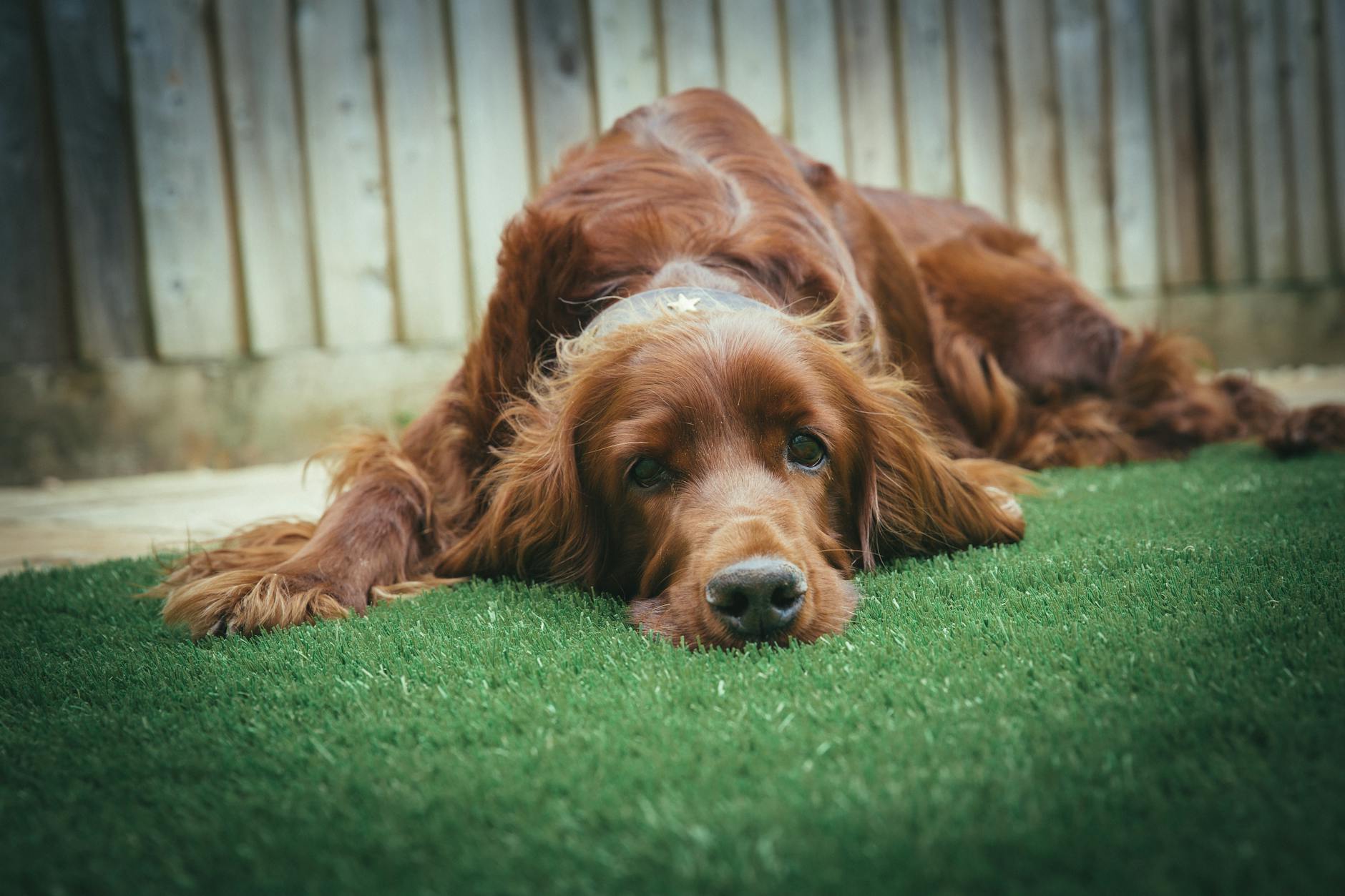
Crate training can be a fundamental part of your dog's early training and can aid in housebreaking, reducing separation anxiety, and even providing a safe haven for your pup during stressful situations. Here, we will cover the essential steps for successful and speedy crate training, ensuring it's a positive experience for your happy, well-adjusted dog.
Understanding the Benefits of Crate Training
Before we dive into the process, it's crucial to understand the benefits of crate training:
- Safety: A crate keeps your dog safe when you're not able to supervise them directly.
- Security: Dogs have a natural denning instinct. Crates can serve as a modern den where dogs can feel secure.
- Convenience: A crate-trained dog is easier to travel with and can adapt quickly to new environments.
- Behavioral Management: It helps in preventing destructive behavior and can be an essential part of housebreaking.
Essentials for Crate Training
- Crate Size: Ensure the crate is large enough for your dog to stand up, turn around, and lie down comfortably, but not too large that they can use one corner as a bathroom.
- Location: Place the crate in an area where the family spends a lot of time, like the living room.
- Bedding: Add a comfortable bed or blanket inside the crate.
- Toys: Include chew toys to keep your dog occupied.
- Treats: Have treats on hand to reward your dog for entering and staying in the crate.
Step-by-Step Crate Training Process
Step 1: Introducing the Crate
- Place the crate in a social area of your house.
- Keep the crate door open and let your dog explore it at their own pace.
- Encourage them by placing treats and their favorite toys inside.
- Don't force them to enter; keep this exploration stage pressure-free.
Step 2: Feeding Meals in the Crate
- Begin feeding regular meals close to the crate.
- If your dog seems comfortable, place their meal inside the crate, fostering a positive association.
- Gradually move the food dish farther back in the crate.
Step 3: Practice with Longer Crating Periods
- Start encouraging your dog to spend longer periods in the crate.
- Use a command like "crate" or "bed" and point to the inside while holding a treat.
- Once they enter, praise them, give the treat, and close the door.
- Start with short intervals of 5–10 minutes and gradually increase.
Step 4: Crating When You're at Home
- Crate your dog for short periods while you’re home to avoid association with social isolation.
- As your dog gets more comfortable, you can use these periods to help them learn to stay alone.
Step 5: Leaving Your Dog Crated While You're Away
- Once your dog can spend about 30 minutes in the crate without getting anxious, you can leave them crated while you're out for short periods of time.
- Don't make your departures emotional; keep them low-key to avoid increasing their anxiety.
Step 6: Crate Your Dog Overnight
- Place the crate in your bedroom or near you at night initially.
- Once your dog is comfortable, you can slowly move the crate to the location you prefer.
Quick Tips for Success
- Keep it Positive: Never use the crate as a punishment.
- Consistency is Key: Keep a regular schedule for crating periods.
- Adjust the Schedule: Puppies need to be let out more frequently.
- Crate Time Limits: Avoid leaving dogs in crates for extended periods of time.
- Avoid Pitfalls: Gradually get your dog used to your absence to prevent separation anxiety.
Remember that patience is critical when crate training. Some dogs may be taken to a crate right away, while others may need a little more time. Respect your pet's pace, keep training positive, and soon your pup will view their crate as a cozy, safe spot all their own.